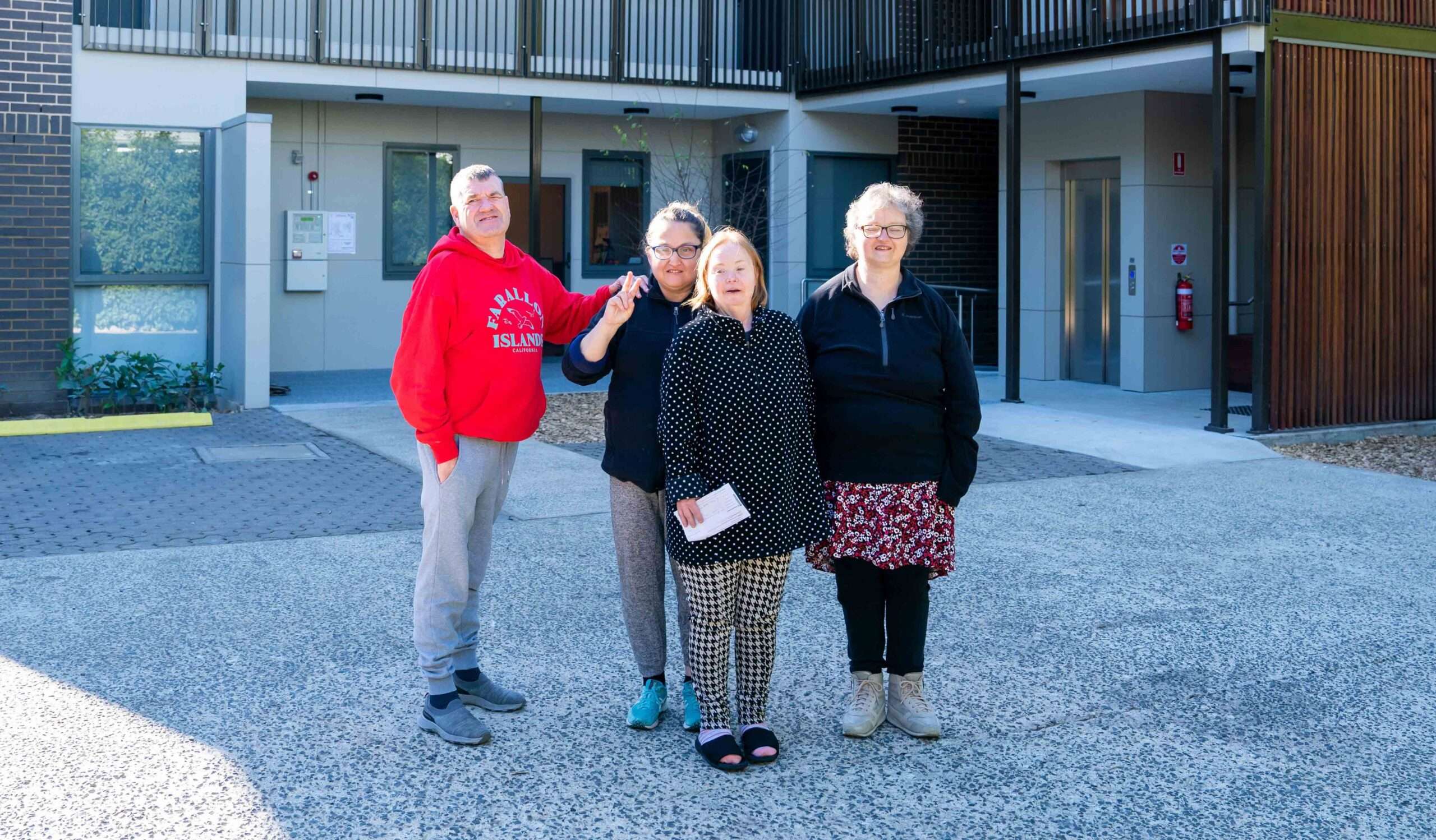
Specialist Disability Accommodation, often called SDA, is the physical home. It refers to purpose-built or significantly modified housing for NDIS participants with high support needs where standard housing may not provide the right accessibility, layout or safety features.
SDA funding relates to the property itself, including the design and accessibility features that make the home suitable. It does not fund the support delivered inside the home. Supports such as daily assistance, personal care, meal preparation, overnight support or shared staffing are funded separately, often through Supported Independent Living (SIL) or other NDIS supports.
SDA is only funded for a small proportion of NDIS participants who meet specific eligibility criteria. THC has an SDA property in Roseville and Willoughby. We work with participants, families and support teams to understand whether SDA may be suitable before investing time in a full request process.
SDA homes are enrolled under NDIS design categories. The right category depends on the person’s functional needs, accessibility requirements, support needs and how the home needs to work day to day.
THC’s SDA property is aligned with Improved Liveability and Fully Accessible design standards. Speak with us to find out whether this type of SDA housing aligns with your needs.
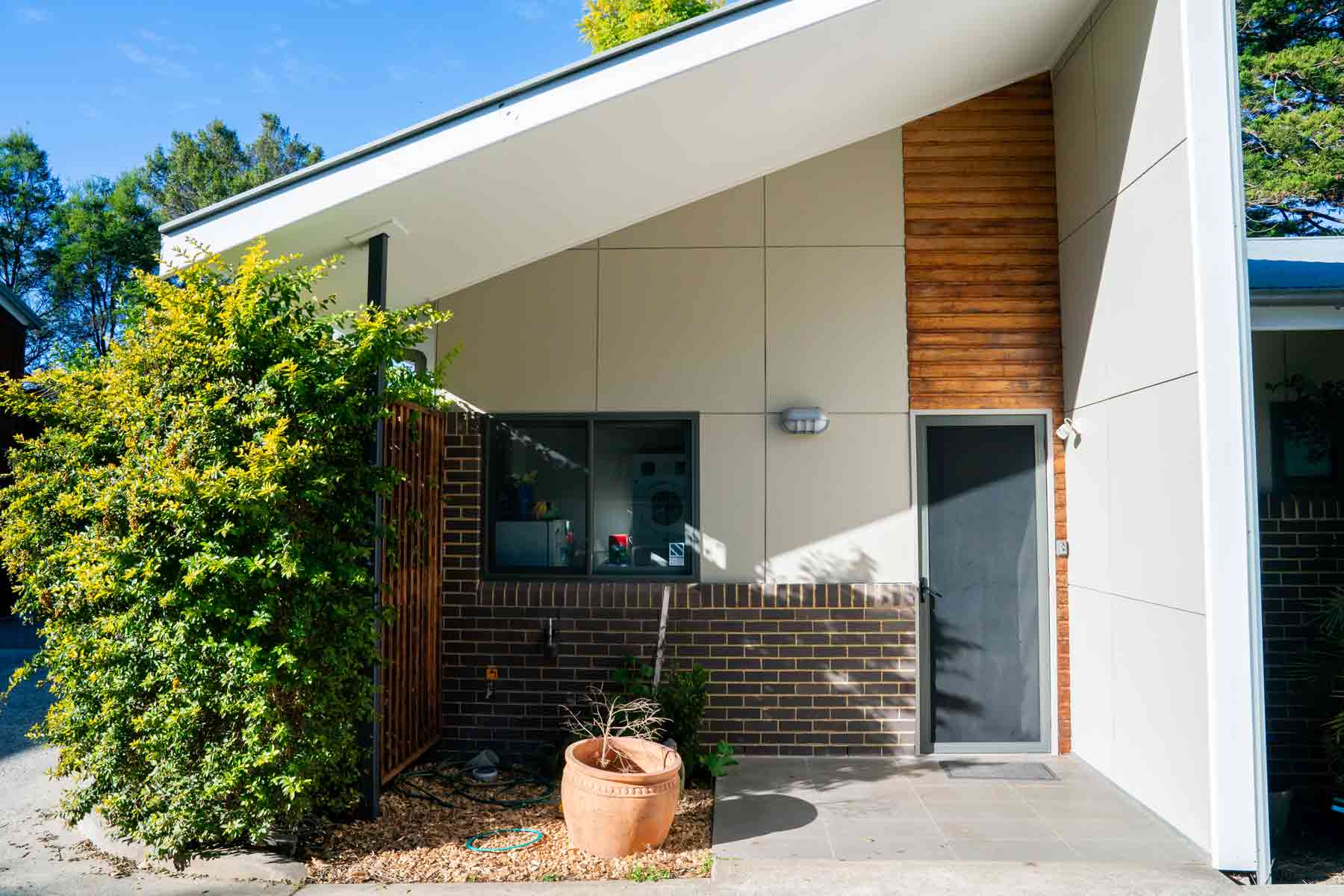
SDA housing solutions are designed for NDIS participants who need enhanced accessibility features and where open-market housing may not be suitable. SDA is not automatically included in every NDIS plan and must be requested with the right supporting evidence.
If you want to request SDA funding, you will usually need evidence that explains your disability-related housing needs, accessibility requirements, support needs and why specialist housing is required. An Occupational Therapist assessment is often an important part of this evidence. Your Support Coordinator can help you understand the process and prepare information for your next NDIS plan review or change request.
Because SDA is a significant funding decision, it is worth having an early conversation before investing time in a full application. THC can help you consider whether SDA may be suitable or whether another home and living pathway, such as SIL or ILO, may be a better fit.
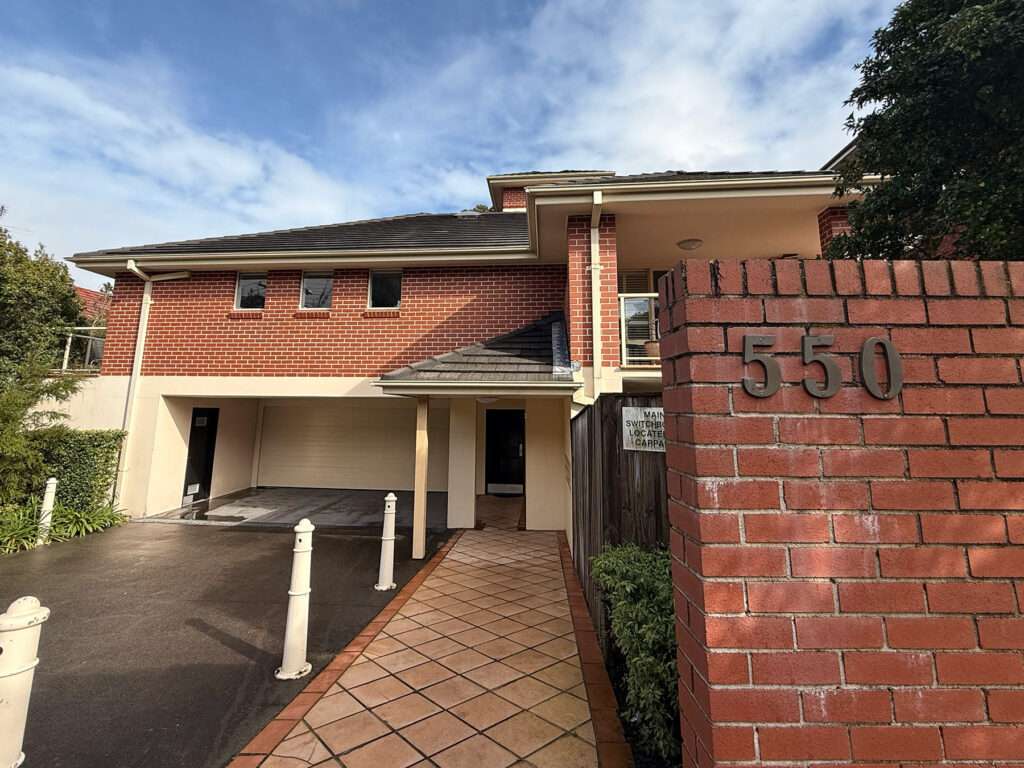
Property: William St, Roseville
SDA Design Category: Fully Accessible
William St is a bespoke SDA-enrolled housing solution in Roseville, designed for people who need accessible housing and coordinated support at home. The property includes individual homes with access to 24/7 support through a staff hub and sleepover model, subject to each person’s NDIS plan and funding.
The location offers access to local transport, shops and community services in Roseville. Participants require both SDA and SIL funding.
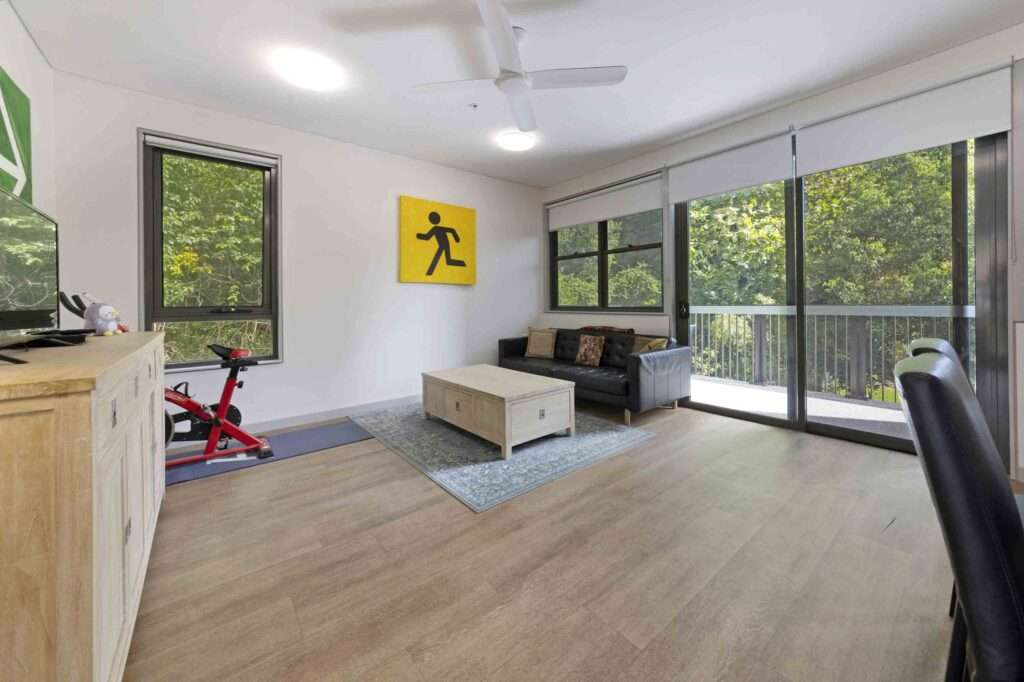
Property: Willoughby
SDA Design Category: Improved Liveability
Question | Specialist Disability Accommodation (SDA) | Supported Independent Living (SIL) |
What does it fund? | The physical home, including specialist design, accessibility features and property costs. The SDA payment is paid by the NDIS to the owner of the property. | The staff and services delivered to you in your home, such as daily assistance, overnight support or shared staffing. |
What does the participant pay? | A participant is also required to pay rent, which is usually 25% of their assessable income. | SIL funding generally covers support services, not everyday living costs such as rent, groceries or utilities. |
Can someone need both? | Yes. Some people live in an SDA property and also have SIL funding. | Yes. THC’s William St property requires both SDA and SIL funding. |
Best suited for | People who want more independence, community living and a personalised support setup. | People with high, complex or continuous support needs at home. |
If you are mainly looking for 24/7 support at home, start with the Supported Independent Living page. If you need a specialist or purpose-built home because open-market housing may not meet your accessibility needs, SDA may be the right pathway to explore.
Can’t find your question? Please reach out to us at (02) 9415 3211 or via: thc@thc.org.au
SDA funds the physical home. SIL funds the support delivered inside the home. Many participants need both, but the two supports are requested and managed separately in an NDIS plan.
An OT assessment is your starting point. Your Support Coordinator can help build the case for your next NDIS plan review or change request, including evidence about your housing needs, accessibility requirements and support needs.
Yes. THC has an SDA-enrolled property in Roseville. Enquire to find out about availability and whether the property may suit your needs and funding.
NDIS participants with SDA funding have the right to choose their provider and property. THC can support you through that process and help you understand whether a current or upcoming option may be suitable.
You may still be eligible for SIL, ILO or other NDIS home and living supports. Our team can help you explore the options and consider the most suitable pathway.
For William St, participants require both SDA and SIL funding. SDA relates to the specialist home, while SIL relates to the support inside the home.