Individualised Living Options, often called ILO, are a type of NDIS Home and Living support. ILO gives you more choice and control over where you live, who you live with and how your supports are arranged at home.
Unlike some other home and living supports, ILO is designed around the person rather than a specific property. The aim is to create a living arrangement that fits your life, with the right mix of formal supports, informal supports and community connection.
For some people, this may mean sharing a home with a compatible housemate. For others, it may involve a different support model. At THC, our current ILO focus is co-tenancy: helping people live in a regular home in the community with a housemate who is carefully matched to their personality, lifestyle and goals.
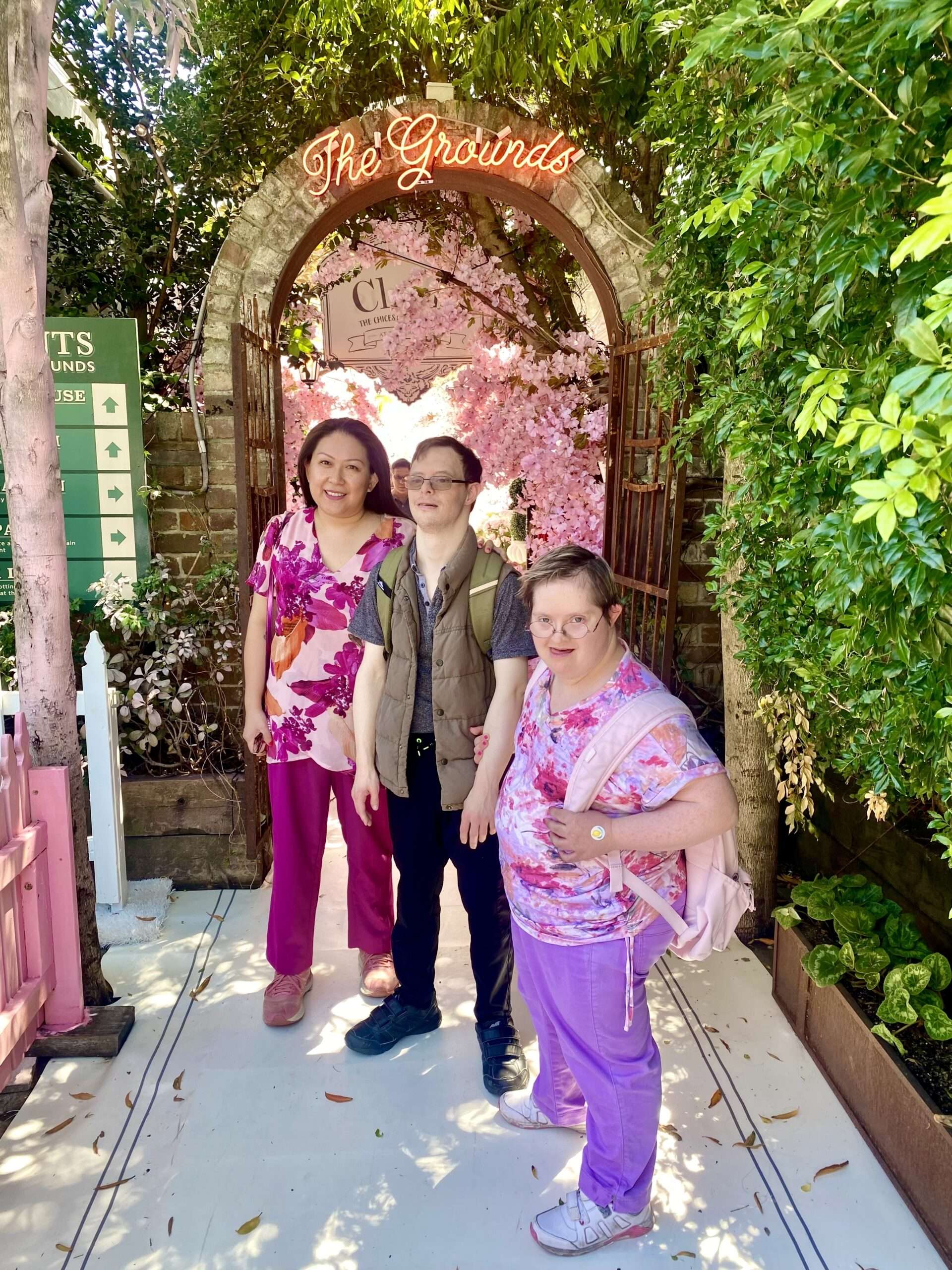
The Housing Connection’s ILO model focuses on co-tenancy. Under this model, you live with a compatible housemate in a shared home within the local community. Your support is then designed around that living arrangement, rather than being tied to a provider-managed house or roster.
We take time to understand what a good living arrangement looks like for you. That includes where you want to live, what kind of home environment feels right, who you may want to live with, what your daily routine looks like and what support you need to feel safe, confident and connected.
We also work with the people who know you well. This may include family members, support coordinators, guardians, friends or other people in your circle of support. Together, we help shape an arrangement that supports your independence while making sure there are clear plans, expectations and check-ins in place.
THC is currently exploring a co-tenancy opportunity in Willoughby for someone who may be suited to a stable, shared home environment with a current THC participant. The apartment is in a convenient location between Chatswood and the city, close to local transport, shops, restaurants, a pharmacy and medical services.
The co-tenant vacancy may suit someone with experience or interest in disability support, social work, psychology, community services, nursing, allied health, or early childhood. The role is mainly about being present in the home, encouraging positive daily routines where needed and communicating with the support team if concerns arise.
If you are exploring ILO or a co-tenancy arrangement, our team can talk with you, your family or support coordinator about whether the Willoughby vacancy may be a good fit.
The Housing Connection has supported people with disability to live more independently in the Northern Sydney community for over 40 years. Our approach is practical, personal and relationship-based. We know that a good home is not just about a roof over your head; it is about belonging, safety, choice and the right people around you.
When we support someone to explore ILO, we start by getting to know the person. We talk through your goals, your preferences, your current supports, your NDIS plan and the kind of living arrangement that may work for you.
From there, we can help you and your support circle think through the details. This may include identifying the qualities you would like in a housemate, understanding what support will be formal or informal, considering your budget, helping with agreements and providing ongoing check-ins once the arrangement is underway.
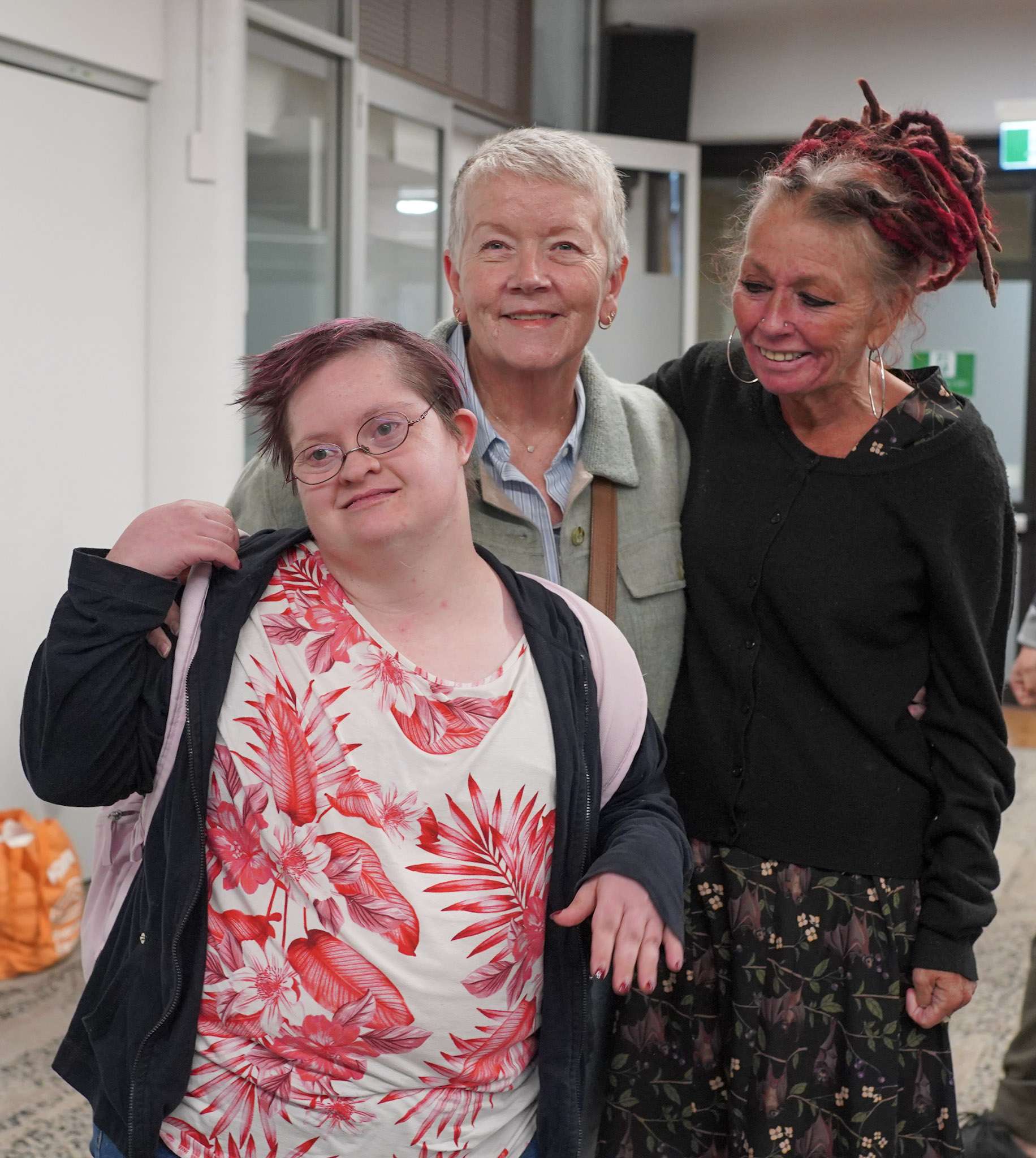
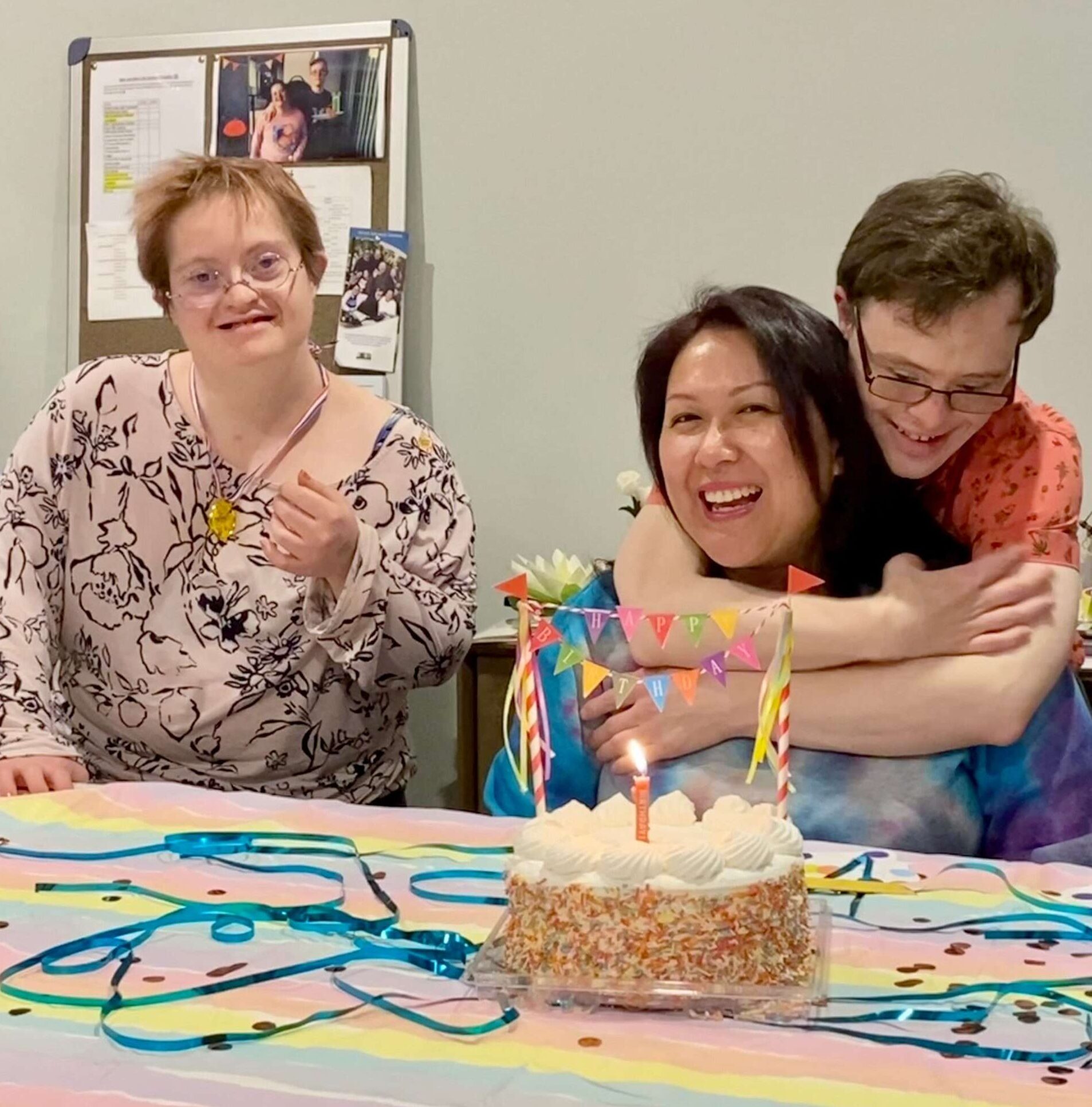
Sandy has been living in Chatswood with Kate and Rob for 10 years, both of whom live with Down syndrome. What began as sharing a home has grown into a deep and meaningful bond that feels like family.
“My oldest friend lives with cerebral palsy. I never saw him as different to me, we simply shared the same interests. That’s how I see Kate and Rob too,” Sandy shares.
Together, they enjoy music, classic rock, The Beatles, and theatre shows. Every Christmas and Easter is spent together, exchanging gifts and making memories just like any family would.
Living with Kate and Rob has also been life-changing for Sandy. She describes how they’ve helped her come out of her shell, attend social events, and build new friendships.
Over the years, she’s seen incredible growth in both of them. Kate’s independence has blossomed — from going home twice a week to now only once, feeling secure and more confident. Rob’s communication has flourished, becoming more conversational and thoughtful.

ILO may be worth exploring if you:
want to live in a regular home in the community, rather than a purpose-built disability setting
would like a more flexible support arrangement built around your life and routine
are interested in the social connection of sharing a home with a compatible housemate
are ready to spend time planning what a safe, positive and sustainable home arrangement could look like
have ILO funding in your NDIS plan, or want to explore ILO as part of a future plan review
Not sure if ILO is the right pathway? That is completely okay. Our team can talk it through with you and help you understand whether it is worth exploring further.
ILO and Supported Independent Living (SIL) are both NDIS Home and Living supports, but they are designed for different situations.
A simple way to think about it is that ILO is built around the person and their preferred living arrangement, while SIL is usually connected to higher levels of rostered support in a shared living environment.
Feature | Individualised Living Options (ILO) | Supported Independent Living (SIL) |
Support model | Support is designed around you and your chosen living arrangement. | Support is usually rostered around a shared home or property. |
Home environment | Often a regular home in the community, with a chosen or carefully matched housemate. | Often a provider-managed shared home for people with higher daily support needs. |
Flexibility | Highly flexible. It can combine formal support with informal support from people in your life. | More structured. It is often used when someone needs regular or 24/7 support. |
Best suited for | People who want more independence, community living and a personalised support setup. | People with high, complex or continuous support needs at home. |
Still unsure which pathway is right for you? We can help you talk through both options and understand what may suit your needs, goals and NDIS plan.
If you are thinking about ILO, you do not need to have all the answers before you contact us. The first step is simply to start a conversation.
Get in touch with our Northern Sydney team or fill out the online enquiry form.
We will talk with you about your goals, your preferred living arrangement, your current supports and your NDIS plan.
If ILO looks like a good fit, we can work with you and your support circle to begin exploring a co-tenancy arrangement.
Can’t find your question? Please reach out to us at (02) 9415 3211 or via: thc@thc.org.au
Individualised Living Options. An NDIS Home and Living support type focused on flexible, person-centred living arrangements.
See the above comparison.
Yes. Your Support Coordinator can help request it at your next plan review.
THC works with you to find a compatible housemate based on your preferences, lifestyle and goals.
THC currently supports participants through a co-tenancy model. You live with a compatible housemate who goes through a compatibility test